October 29, 2013
Some of you evidently have been wondering. Good question. Simple answer: Because a well written “ban” ordinance is a prohibition of heavy industrial use(s), and there is collateral damage to address - that may not be covered by a fracking ban. Such prohibited uses should include some of the support activities to drilling a fracking a well - all of which can occur remote from the well site itself. Most importantly, town and county ordinances can also address the industrial discharge of fracking waste, such as frack waste dumping of frack flowback on town or county roads for de-icing or dust suppression, the dumping of radioactive drill cuttings in landfills or the discharge of frack flowback into municipal water plants - all of which can be addressed by various town and county ordinances. Road use […]
Read the full article →
September 26, 2013
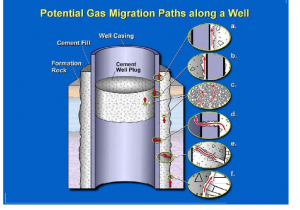
Not surprisingly, the Environmental Defense Fraud’s work is simply a replay of the same stunt pulled by frackademics at Penn Stat and MIT. Wherein they determine that new wells cherry picked by the industry do not leak. When new. This is not news, much less worthy of peer-reviewed study, just an exercise greenwashing. Since it neatly dodges the real issue - methane leakage from aging wells and aging infrastructure - right to the burner tip. Read the study - here - but long story short, they sniffed some fittings and valves on new wells that the industry allowed them to test and determined they weren’t leaking. What a surprise. Remarkably, they only tested the ambient air downwind of twenty (20) producing well sites hand-picked by the industry. No ages given on the wells, but […]
Read the full article →