


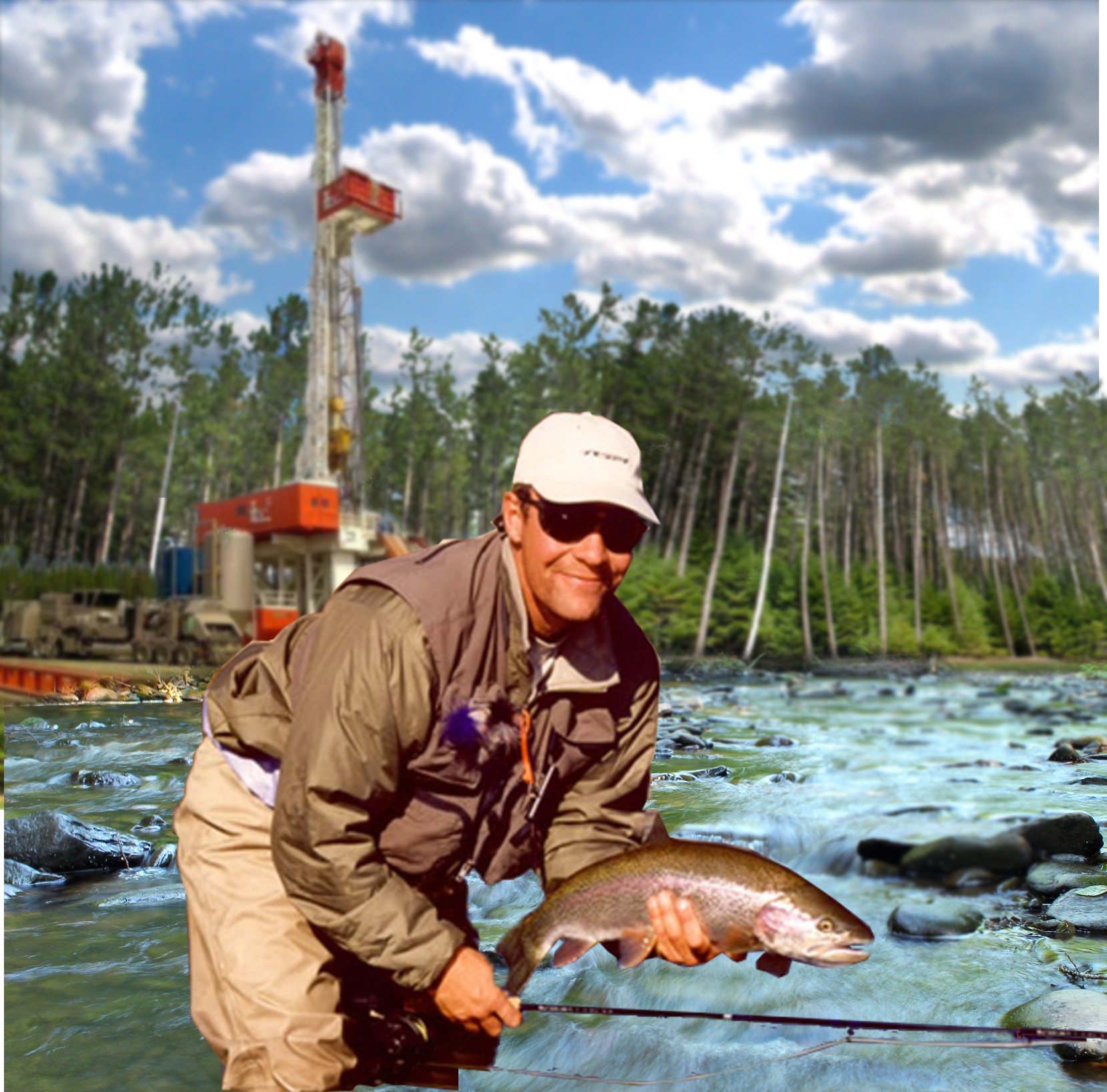
 Fish are really easy to kill. They are pretty much stuck in the water, like a captive audience. So anything that goes into the water can kill them. Fracking works just fine - not as quick or as dramatic as dynamite, not as painless (?) as electro-shocking, but it gets the job done, thanks. So if you have too many damn trout near you - such as a stream in the Catskills - let some frackers come take care of them for you. (Of course no fracking rocket scientist would actually try to frack next to a trout stream in the Catskills would they ?) Get reel . . .
In New York, there are no proposed protections for fracking next to or indeed right under a trout-infested stream. Or a walleye-infested lake. Because that’s not the business the DEC - Department of Environmental Catastrophes is in.
A newly published peer-reviewed study by the USGS and US Fish & Wildlife has concluded the obvious, fracking and fish, like oil and water, don’t mix. Not even a little bit. Fish are finicky that way. Kind of like canaries in mines.
http://www.eaglehill.us/SENAonline/articles/SENA-sp-4/18-Papoulias.shtml
http://theenergycollective.com/amymall/266801/fish-and-wildlife-entire-populations-risk-even-small-fracking-spills
Fish and Wildlife Populations at Risk With Even Small Fracking Spills
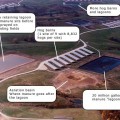
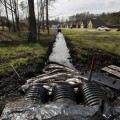
Scientists from the U.S. Geological Survey (USGS) and U.S. Fish and Wildlife Service recently published a peer-reviewed journal article that discusses the results of the investigation into a 2007 fracking wastewater spill in Kentucky. Fracking wastewater that was being stored in open air pits (a practice that NRDC opposes because, among other reasons, it can lead to toxic spills) overflowed into Kentucky’s Acorn Fork Creek and left an orange-red substance, contaminating the creek with hydrochloric acid, dissolved minerals and metals, and other contaminants.
Prior to this pollution, the creek was so clean that it was designated an Outstanding State Resource Water. The Creek provides excellent habitat for the Blackside dace, a small colorful minnow protected by the Endangered Species Act because it is a threatened species.
State and federal scientists found a significant die-off of the dace as well as other fish species and aquatic life in the creek. The dead and distressed fish had developed gill lesions and suffered liver and spleen damage.
The lead USGS scientist in the investigation stated: “Our study is a precautionary tale of how entire populations could be put at risk even with small-scale fluid spills.”
One of the things that bothers me the most about this case is that the scientists had been alerted to the fish kill “by a local resident.” All spills are supposed to be reported-by the oil and gas company-to the National Response Center.
You know how companies have been telling the public for years that frack fluid is mostly water and safe ingredients that are found in your home? We’ve also been saying for years that, even diluted, the frack fluid ingredients can be very harmful to health, and this case is just additional evidence.
This one case illustrates:
- the unacceptable risk of open air toxic waste pits in the oil and gas industry;
- why we need safe setbacks so that oil and gas operations are prohibited from being this close to important water sources;
- the toxicity of fracking fluid and wastewater.
- the lack of oil and gas industry accountability when it comes to preventing and reporting dangerous spills of toxic waste.


{ 0 comments… add one now }