



Everyone needs to understand the Loopholes for Polluters. These loopholes in our federal environmental laws allow the fracking industry to operate in a manner that would be illegal for other industries and in a manner that pollutes our environment, harms our health and impacts climate change.
The fracking industry also enjoys a “tax gusher” loophole that allows them to pay almost no taxes and loopholes in highway safety rules allowing truck drivers in the oil and gas industry to work longer hours than drivers in most other industries.
For this post we focus onThe RCRA loophole.
The RCRA loophole: In 1980, Congress exempted oil field waste from the Resource Conservation and Recovery Act – RCRA , which governs the disposal of solid and hazardous wastes.
This exemption leaves produced water, drilling fluids, and hydraulic fracturing fluids from oil and gas production unregulated under the nation’s premier hazardous waste law. This allows unsafe handling of toxic substances, including their conventional transport on roads and treatment in municipal rather than specialized facilities.
So, what’s the big deal?
Fracking creates MASSIVE amounts of waste. In their article, Practice lays waste to land, the Denton Record Chronicle did some math for us.
About 1.2 barrels of solid waste are created with each foot drilled, according to the American Petroleum Institute. Simply to reach the approximate 8,000-foot depth of a Barnett Shale gas well, drilling creates more than 9,600 barrels, or 403,200 gallons, of solid waste. That does not take into account any horizontal drilling performed after reaching that depth. For the 14,000 Barnett Shale wells drilled so far, the waste would cover the entire city of Fort Worth in more than an inch of drill cuttings, slurry, heavy metals and other toxic compounds.
Industry knows this is a huge problem in their attempt to convince Americans that fracked oil & gas are clean energy. This vulnerability was revealed at the same industry conference where I taped communications executives recommending the use of US Army/Mariene Corp Insurgency Manual against the American public to counter opposition and where Matt Pitzarella communications executive for Range Resources bragged that “We have several former PSYOPS folks that work for us at Range .. but very much having that understanding of psy ops in the Army and in the Middle East has applied very helpfully here for us in the in Pennsylvania,”
Brad Miller, General Manager of Regulatory Affairs, Anadarko Petroleum, said that hydraulic fracturing is a “farce” the real issue industry needs to address is the waste.
So where does all that stuff go?
If you read the article linked above you will learn about landfarming. That’s when the industry knocks on a farmer’s or rancher’s door and says: I have some fertilizer that will make your hayfields green and lush and the best part is it won’t cost you a penny. We are going to pay you $X,XXX per acre to use this fertilizer.
Unbelievably, people fall for that. That means the waste is getting spread on our best farmland and ranchland where our food grows and where our food eats its food.
Some of the waste is stored onsite in pits that get buried. Thousands of cases of water contamination have been traced back to drilling waste pits.
So what?
Drilling waste is toxic and hazardous.
Sixty-five fracking chemicals are federally listed as hazardous and EPA documents note that some “cause kidney, liver, heart, blood, and brain damage through prolonged or repeated exposure.” These chemicals are shipped to the drill site bearing hazard warnings. They are pumped into the ground during fracking, but because of this enormous loophole, they become legally benign when they return to the surface, allowing mishandling of potentially toxic waste.
These toxins can magnify up the food chain in meat and milk per Texas A&M veterinary toxicologist.
You like to eat, don’t you? Do you know where your yogurt comes from?
Here is a video of landfarming.
Here is a video showing Texas cattle drinking from drilling waste pits.
Here is a picture showing denuded land where drilling waste was dumped illegally. Four years later the land is still bare. We should learn from history:
Legacy of UT’s oil wealth: a denuded landscape Decades after production began, saltwater contamination continues to poison West Texas land.
Here is a waste pit right next to a creek that flows into Denton Creek which flows into Lake Grapevine a source of drinking water for DFW. This pit got buried.
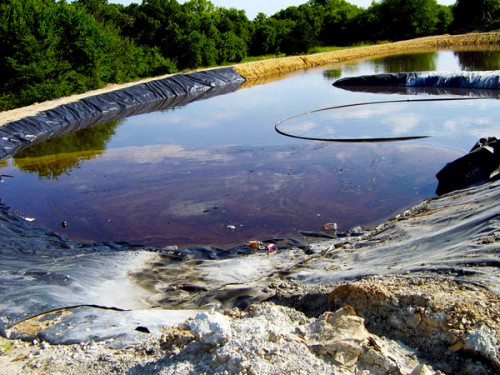
The contents of this pit were spread on a horse pasture, then it started to rain and the runoff flowed into Black Creek which flows into Denton Creek…
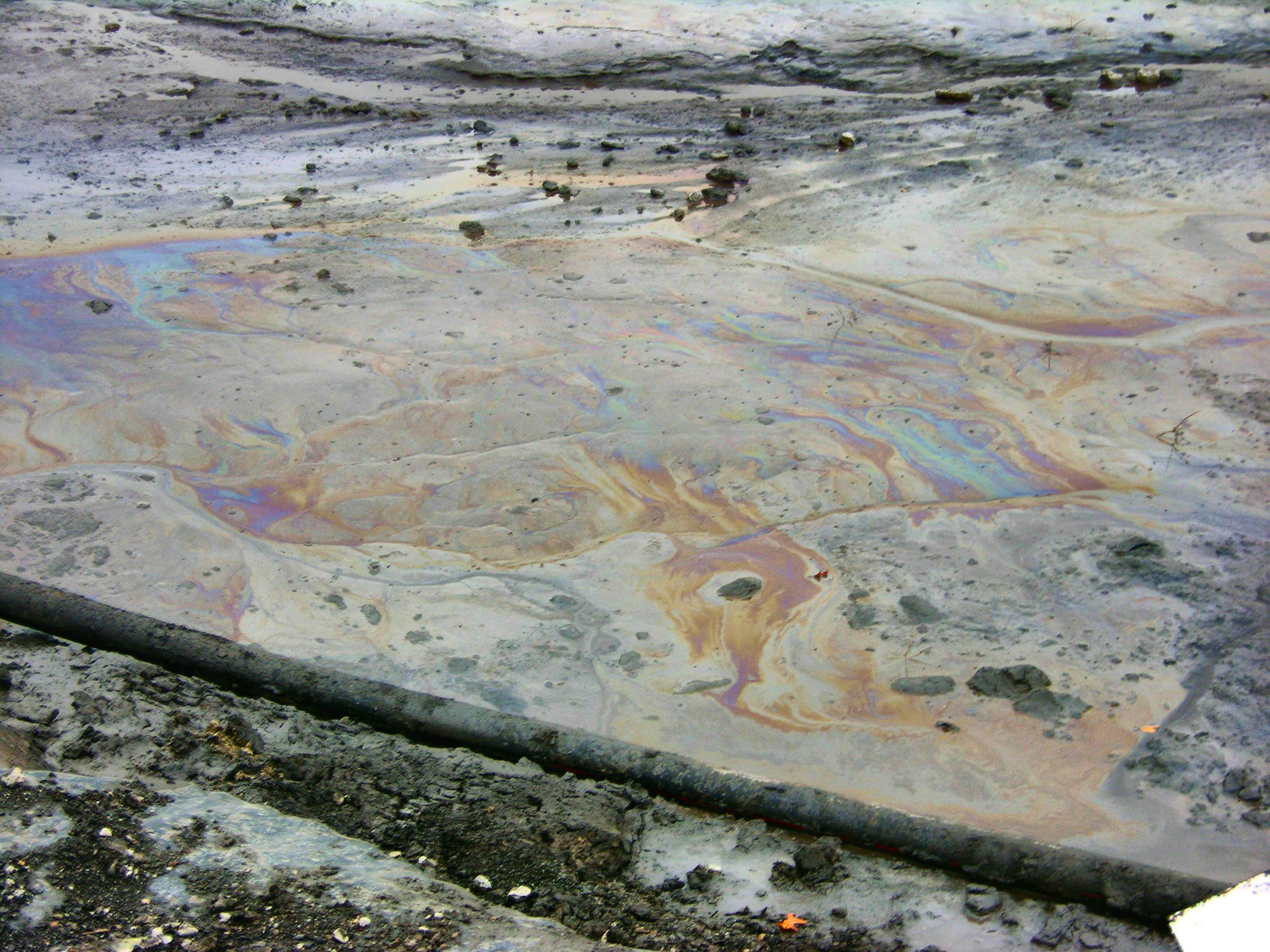
Video of runoff from above pit.
So what can I do about it?
For the rest of us who live in areas that are already saturated with drilling:
- Ask your elected officials to support the FRAC Act - A bill to amend the Safe Drinking Water Act to repeal a certain exemption for hydraulic fracturing, and for other purposes.
- Ask your elected officials to support the BREATHE Act - A bill to close the loophole in the Clean Air Act.
- Ask your elected officials to level the playing field and close all the Loopholes for Polluters.
- Ask your elected officials to support wind and solar.
If you live in New York, this Texan agrees with this Texan. Don’t frack New York!



{ 3 comments… read them below or add one }
Great article
Thanks
yes, close all the “loopholes for polluters” and keep our air, water, food chain clean and safe for all.
thanks Sharon - great post.